Hearing about another hard freeze in Austin can bring back memories of burst pipes, soggy ceilings, and days without running water. Even if your home made it through the last storm, it is natural to look at the forecast and wonder if your plumbing will hold up this time. A single cold night can be enough to create serious damage if the wrong pipe freezes and splits.
Many Austin homes were not built with repeated hard freezes in mind, so they have plumbing that runs through attics, garages, and exterior walls that get very cold, very quickly. That does not mean you are helpless. With a clear understanding of where your home is vulnerable and a few focused steps, you can greatly reduce the chances of dealing with a burst pipe and an emergency cleanup when temperatures drop.
At Daniel's Plumbing and Air Conditioning, we have been serving Austin and nearby communities since 2016, including through recent Texas winter events that pushed local plumbing systems to the limit. Our trained plumbing team has seen up close which pipes fail most often in different parts of the city and what actually works to prevent those failures. In this guide, we share that practical knowledge so you can prepare your home before the next cold front arrives.
Need burst pipe repair in Austin? Contact us online or give us a call (512) 456-3570 to schedule service for burst pipes in the Austin area.
Why Austin Homes Face Burst Pipe Risks During Winter Freezes
Austin is known for hot summers and mild winters, and that history shows in how many homes were built. In a lot of houses, plumbers ran water lines through attics, exterior walls, garages, and crawlspaces because those spaces were easy to access and did not usually see extreme cold. For many years, that worked most of the time. Recent hard freezes in Texas have exposed how vulnerable this kind of construction can be when temperatures plunge into the 20s or lower.
When cold air moves in fast, attics and uninsulated walls can drop below freezing long before your thermostat in the hallway shows a problem. Any pipe that sits in that cold air with little or no insulation is at risk. In Austin, that often means the plumbing that feeds upstairs bathrooms running through the attic, lines that supply bonus rooms over garages, and pipes that pass through the back wall behind kitchen or bathroom sinks. Even if the room itself feels comfortable, the space inside the wall or above the ceiling can be much colder.
Many homeowners assume they are safe if their house is relatively new or located closer to central Austin. Age and zip code alone do not tell the whole story. We see modern homes in subdivisions around the metro area with long attic runs and exposed garage piping that freeze sooner than older houses with better protected lines. The real question is where your pipes travel and how they are insulated. Because Daniel's Plumbing and Air Conditioning has worked on plumbing in a wide range of Austin neighborhoods since 2016, our team understands the patterns that tend to cause trouble when winter weather hits.
How Frozen Pipes Turn Into Costly Bursts
To understand why certain prevention steps matter, it helps to look at what actually happens inside a pipe during a freeze. Water behaves differently than most liquids when it gets cold. As it cools toward 32 degrees Fahrenheit, it contracts slightly, then as it turns into ice it expands in volume. If that water is trapped in a sealed plumbing line with no relief, the expanding ice creates pressure that builds against the inside walls of the pipe and at fittings and joints.
At first, you may not see or hear anything unusual. The pipe might simply stop delivering water at one faucet because ice has formed a plug somewhere along the run. The real damage often occurs where that ice plug traps liquid water between itself and a closed valve or another blockage. Pressure can rise until the pipe material cracks or the fitting splits. The failure point is often not where the ice plug sits, but at the weakest section of the pipe, such as a small elbow hidden in an attic or a thin spot in a long run.
Different pipe materials handle this stress in different ways. Copper pipe is rigid, so it tends to split along its length when pressure gets high enough. PEX tubing is more flexible and can sometimes tolerate temporary freezing, but its fittings and connections are more likely to fail under strain. PVC and CPVC can become brittle in cold conditions and may crack suddenly. None of these materials are completely immune to freeze damage if exposed to enough cold and pressure. Plumbers from Daniel's Plumbing and Air Conditioning frequently find that the visible leak in a ceiling started at a hidden joint in an attic or wall that failed when frozen water expanded inside the line.
The other surprise for many homeowners is that pipes often burst when they begin to thaw, not when they first freeze. As temperatures rise and water starts to flow again, the crack or split that formed under pressure becomes a path for pressurized water to spray into walls, ceilings, or crawlspaces. That is why a home can seem fine during the coldest hours of the night, then suddenly show water stains or active leaks as the day warms up. Knowing this timing helps explain why shutting off water and calling a plumber quickly after a suspected freeze is so important.
Know Your Home’s Vulnerable Pipes Before Temperatures Drop
Before the next hard freeze, one of the most valuable things you can do is learn where your plumbing actually runs and which parts of it are most exposed to cold air. Start with the exterior of your home. Look for hose bibs, which are the outdoor faucets where hoses connect. These are almost always at higher risk because they sit outside, often on an uninsulated wall. Check for any irrigation backflow devices, usually a set of pipes and valves that stand above ground, often near the side yard. These components contain water and can freeze quickly if left unprotected.
Next, take a careful look in your attic and garage, if they are accessible. In many Austin houses, water lines cross attic spaces to reach bathrooms or laundry rooms. You might see white, tan, or blue and red lines running along the tops of ceiling joists or near the roof. In garages, pipes sometimes run along the wall or ceiling to feed utility sinks, water heaters, or upstairs rooms. Any of these that are bare or only lightly covered can become freeze points when outside temperatures fall below freezing for a few hours.
Inside the home, check under sinks in kitchens and bathrooms, especially those on exterior walls. If you can feel cold air moving through the back of a cabinet, that draft can chill the pipes that feed the faucet. Utility rooms and laundry areas built against the garage or exterior walls also deserve attention. Identifying these spots now makes it easier to add insulation, seal drafts, or use targeted heat from your HVAC system to protect them when a cold snap is forecast.
Finally, locate your main water shutoff and key fixture shutoffs. In many Austin area homes, the main shutoff is in a meter box near the street, at the edge of the property, or on the side of the house where water enters. Some homes also have an interior shutoff in a utility closet or near the water heater. Individual fixtures such as toilets and sinks usually have small valves on the supply lines under or behind them. Knowing how to turn these off before a freeze, rather than trying to find them in a panic, can limit water damage if a pipe does burst. Technicians from Daniel's Plumbing and Air Conditioning routinely point out these locations during service visits so homeowners feel prepared for emergencies.
Simple Steps You Can Take To Prevent Pipe Bursts In Austin
Once you know where your vulnerable pipes are, you can take focused steps that make a real difference when temperatures fall. Start outside. Disconnect garden hoses from all hose bibs so water does not stay trapped in the faucet or line. Install insulated covers on hose bibs, which are widely available and quick to put on. If your irrigation system has an above ground backflow preventer, use manufacturer-recommended insulation covers or insulating material to protect that assembly. These simple steps help reduce the chance that standing water will freeze solid in exposed fittings.
For exposed pipes in attics, garages, or crawlspaces, pipe insulation is one of the most effective tools you can use. Foam pipe sleeves that wrap around the pipe are widely available and relatively easy to install on accessible runs. Focus first on long stretches that cross unheated spaces and any sections near vents, soffits, or garage doors where cold air flows freely. Sealing obvious gaps around pipe penetrations in walls, ceilings, and floors with appropriate caulk or foam can also reduce cold drafts that reach your plumbing.
Inside the home, use your faucets and thermostat deliberately. During a hard freeze, slightly opening several faucets so they drip, especially on separate branches of your plumbing system, keeps water moving and reduces the chance of ice plugs forming. A single dripping faucet on one side of the house does little to protect isolated lines elsewhere. Opening cabinet doors under sinks that are on exterior walls lets warm room air circulate around those pipes. Keep your home heated to a consistent temperature, day and night, while the freeze lasts. Turning the thermostat down significantly at night to save on heating can allow pipes in marginal areas to drop below freezing.
Outdoor Fixtures and Exposed Lines
Outdoor fixtures are often the first to freeze in an Austin cold snap, and they can be responsible for significant water loss if they fail. In addition to disconnecting hoses and installing covers on hose bibs, check for any exterior wall hydrants that feed garden areas or patios. If they have shutoff valves inside the home or in a nearby utility space, turning those off and draining the line before a freeze can reduce risk further. Irrigation backflow preventers and exposed sprinkler lines should be insulated according to manufacturer recommendations, since they contain valves and chambers where water can sit and freeze.
Some homes have exposed lines running along exterior walls in carports, under decks, or in crawlspaces. Even a simple wrap of pipe insulation or fiberglass, secured and kept dry, can help these lines ride through a short duration freeze. If you are not comfortable working around certain areas or are unsure how to protect them correctly, a pre freeze visit from a plumber can identify the highest risk points and set them up for better protection.
Indoor Pipes in Attics, Garages, and Crawlspaces
Indoor spaces that are not heated, such as attics, garages, and crawlspaces, often feel like the outdoors during a freeze, even if the main living area is warm. Pipes running through these areas are prime candidates for insulation. In attics, look for water lines that cross above bedrooms, bathrooms, and hallways. Wrapping these lines and making sure nearby attic insulation covers the ceiling well can help keep pipe temperatures high enough to avoid freeze damage during shorter cold snaps.
Garages present their own challenges. A garage may be separated from the heated home by only a thin wall, and lines that feed utility sinks, water heaters, or bonus rooms can run across that space. Keeping the garage door closed, reducing drafts, and insulating any visible water lines can help. In crawlspace homes, where pipes run under the floor, insulating both the pipes and the floor above can be beneficial. The team at Daniel's Plumbing and Air Conditioning often helps homeowners assess these spaces and complete insulation work that is difficult or uncomfortable to handle alone.
What To Do If You Suspect A Frozen Or Burst Pipe
Even with good preparation, an unusually hard or long freeze can still leave you wondering if a pipe has frozen. Early signs include a sudden drop or complete loss of water flow at one faucet, while other fixtures still work normally. You might also hear strange noises, such as banging or clanking, when you open a valve, or see frost or ice forming on an exposed section of pipe in the attic or garage. If you notice these signs during a cold snap, take them seriously.
If you suspect a pipe has frozen but do not yet see any leaking water, the first step is to gently warm the area while keeping faucets on that line slightly open. Increasing the home’s overall heat, opening doors to colder rooms, and directing warm air toward the suspected area can help. Avoid using open flames, space heaters placed too close to combustible materials, or other unsafe heat sources. As ice begins to melt and water starts to move, watch closely for any signs of dripping or spraying that could indicate a split pipe.
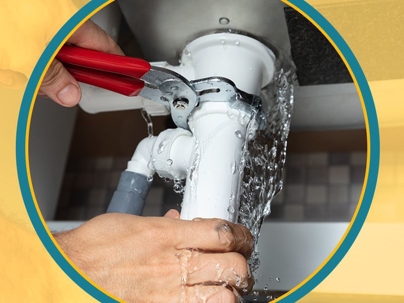
When you see active leaking or hear water spraying behind walls or ceilings, move quickly. Turn off the main water shutoff to stop flow into the home. If water is affecting electrical outlets, fixtures, or appliances, cutting power to those circuits at the breaker panel can help reduce the risk of shock. Once water flow is stopped, try to contain and remove standing water with towels, buckets, or a wet vacuum if it is safe to do so. Then contact a licensed plumber as soon as possible to locate and repair the damaged section and to check for other at risk points.
During severe weather, pipe failures rarely respect business hours. At Daniel's Plumbing and Air Conditioning, we provide responsive emergency plumbing service and do not charge extra fees for nights or weekends. If a pipe bursts at two in the morning during a hard freeze, you can call for help without worrying about higher off hour rates adding to an already stressful situation. Our team will work to identify the source of the leak, complete repairs, and help you bring your plumbing system back online safely.
When DIY Prevention Is Not Enough
While many prevention steps are within reach for a careful homeowner, there are situations where professional help is the safer and more reliable choice. If you live in an older home with a history of plumbing issues, such as low water pressure, frequent leaks, or mysterious damp spots, unaddressed weaknesses may be hiding behind walls or under floors. Similarly, if you cannot locate your main shutoff valve or are unsure whether certain lines are even protected, an inspection before a freeze can reveal problems you might otherwise miss.
Certain upgrades and repairs should be handled by a licensed plumber. Rerouting pipes that currently run through uninsulated attics or exterior walls, adding new shutoff valves so you can isolate vulnerable sections, and replacing corroded or damaged pipe sections all require skills, tools, and code knowledge that most homeowners do not have. More complex insulation work in tight or hazardous spaces, particularly around gas lines or electrical components, also calls for professional attention.
Because Daniel's Plumbing and Air Conditioning provides comprehensive home services across plumbing, heating, cooling, and sewer, we can look at your home as a complete system instead of treating each pipe in isolation. When you ask us to evaluate your freeze risk, we consider how your plumbing layout, attic insulation, and heating system all interact. Our A+ BBB rating, HomeAdvisor Top Rated recognition, and respected industry memberships support our commitment to providing reliable help when you decide that DIY steps are not enough to protect your home.
Planning Ahead With Ongoing Maintenance And Support
The most effective pipe burst prevention plan does not start the day a freeze warning appears. It begins with regular maintenance and small improvements that keep your plumbing and heating systems ready for the coldest nights. A seasonal plumbing checkup can include inspecting exposed lines in the attic and garage, confirming that key shutoff valves operate smoothly, and identifying areas where pipe insulation or sealing around penetrations has worn out or gone missing.
Your heating system also plays a supporting role in freeze prevention. A furnace or heat pump that struggles to keep the house warm during normal winter nights is more likely to leave marginal areas, such as rooms over garages or far end bathrooms, vulnerable during a hard freeze. Regular HVAC maintenance through Daniel's Plumbing and Air Conditioning helps keep your equipment running efficiently so it can maintain steadier indoor temperatures, which in turn supports your plumbing protection plan.
For homeowners who prefer a structured approach, our Home Comfort Club offers ongoing benefits built around the idea of long term home protection. Membership provides discounted repairs, priority scheduling during high demand times, member only pricing, and annual maintenance that includes thorough inspections. Incorporating freeze readiness into those regular visits means you are not scrambling at the last minute to figure out which pipes need attention. Our customer centered approach focuses on explaining what we find, outlining options, and helping you decide how to prepare your home for future winters.
Protect Your Austin Home From Burst Pipes This Winter
Cold snaps in Austin may be brief, but their impact on unprotected plumbing can last for months in the form of repairs, water damage restoration, and disruption to your life. Understanding how and where pipes freeze, and taking a few focused steps to protect vulnerable lines before temperatures drop, gives you a real chance to avoid that scenario. Whether you are dealing with an older home or a newer build with long attic runs, a tailored prevention plan will always outperform last minute guesswork.