Many Austin homeowners did not think much about frozen pipes until recent Texas freezes turned short cold snaps into widespread water damage overnight. You might have seen pictures of ceilings collapsing or heard stories of friends in neighborhoods just like yours dealing with major repairs. With another cold front in the forecast, it is natural to wonder if your own pipes could be at risk.
In Central Texas, we are used to worrying about heat, not deep cold. Most homes are built to stay cool through long summers, not to handle hours of subfreezing temperatures. That combination, mild winters most of the time and occasional hard freezes, puts Austin plumbing in a unique risk zone. The good news is that pipe freezes are not random. Once you know where pipes tend to freeze and why, you can take specific steps to protect your home.
At Daniel’s Plumbing and Air Conditioning, we have been serving Austin and nearby communities since 2016, including through major freezes that caught many homes off guard. Our team has seen where local plumbing systems usually fail, which fixes make the biggest difference, and when it is time to call in help instead of trying to manage a problem alone. In this guide, we will share what we have learned about preventing pipe freezes in Austin so you can prepare your home before temperatures drop.
Contact us online or give us a call at (512) 456-3570 to avoid pipe freezing in Austin today!
Why Pipe Freezes Are a Real Problem in Austin Homes
Many people who move to Austin from colder states assume they can relax about frozen pipes. Our winters are usually short and mild, and we often see a quick warmup after a cold night. That pattern is exactly why pipe freezes here cause so much damage. When a hard freeze hits only once in a while, homes and plumbing systems are rarely built with cold protection as a priority.
Austin houses are typically designed around cooling needs. Builders focus on attic ventilation, large windows, and efficient air conditioning. Plumbing lines may run through attics, exterior walls, garages, or other unconditioned spaces because keeping those areas warm has not traditionally been a concern. When temperatures drop into the 20s or teens, especially overnight, these exposed sections can cool quickly while the rest of the house still feels comfortable.
Even a few hours of subfreezing air can be enough for an unprotected pipe to freeze, especially if it sits near a draft, outside wall, or attic vent. Homeowners are often surprised that a line can freeze while the weather app shows temperatures just around the freezing mark. In practice, wind, exposure, and thin building materials can make the temperature around the pipe several degrees colder than the air in your backyard. Because we respond to plumbing emergencies across Austin during these events, we see how the same patterns repeat in home after home.
When we talk with customers, a common theme is that the home has been through previous winters with no issues. That experience can create a false sense of security. In reality, each freeze is different. A slightly longer duration, a lower overnight low, or a strong north wind can push a marginally protected pipe past its breaking point. Understanding that risk, even in a city known for heat, is the first step to making smarter choices about protecting your plumbing.
How Pipes Actually Freeze and Burst
To choose the right prevention steps, it helps to know what is happening inside your pipes during a freeze. When temperatures around a pipe fall below 32 degrees, the water nearest the cold surface begins to cool first. If the pipe is metal or sits in a drafty area, that cooling can happen quickly. As the temperature drops further, water starts to turn into ice along the inside wall of the pipe.
Ice takes up more space than liquid water. As more of the water inside the pipe freezes, the ice expands and pushes the remaining liquid water toward any closed points in the plumbing run. If both ends of that section are blocked by closed valves, fixtures, or other ice plugs, pressure in the trapped liquid can rise dramatically. That pressure, not the ice itself, is what usually causes a pipe to crack or burst.
The actual break often occurs at a weak point rather than at the coldest section. Fittings, elbows, and older pipe segments are common failure spots. This is why you might see water pouring from a ceiling in one room, even though the coldest area was out in the garage or attic. Once temperatures warm and the ice melts, pressurized water escapes through the damaged area and can flow until the main supply is shut off.
Different materials respond to this stress in different ways. Many newer Austin homes use PEX, a flexible plastic piping, which can sometimes tolerate expansion better than rigid copper or PVC. However, no material is immune. Under enough pressure, any pipe can fail. When our technicians inspect freeze-damaged homes, we often find a mix of older and newer materials, with breaks at transitions or fittings where stress tends to concentrate. Knowing that the break may not show up where you expect is one reason we recommend a full inspection after a known freeze, even if water flow seems normal again.
The Most Vulnerable Pipes in a Typical Austin House
Not every pipe in your home faces the same level of risk during a cold snap. In the Austin area, we consistently see freeze damage in a few familiar locations. Understanding these hotspots helps you focus your time and resources where they matter most instead of trying to treat every inch of piping the same way.
Outdoor hose bibs and irrigation connections are often the first to freeze. Many homes have hose spigots mounted directly on exterior walls, sometimes with long, uninsulated runs of pipe feeding them from inside the house. On the north or shaded side of a home, these pipes are exposed to the coldest air and may have little protection beyond the wall material. Irrigation backflow preventers and exposed lines near them can be vulnerable as well, especially if they sit above ground or in shallow boxes that do not trap much warmth.
Attic plumbing is another common trouble area in Austin. Because our climate is generally warm, many builders route water lines through attics to reach second-floor bathrooms, laundry rooms, or kitchen fixtures. During a hard freeze, attic temperatures can quickly fall below freezing, especially near vents or eaves. Pipes that run across open attic spaces with minimal insulation around them cool rapidly, and any standing water inside those lines can freeze in a matter of hours.
Pipes in exterior walls, garages, and crawl spaces also face higher risk. In some homes, kitchen or bathroom sinks sit on outer walls, with supply lines just inches away from cold air. Thin cabinet backs and small wall cavities do not provide much insulation. Garages that share walls with living spaces may contain long horizontal runs of plumbing feeding upstairs rooms. Because garages are often unheated, the air around those pipes can stay much colder than the main living area. When we respond to freeze damage calls, it is very common to find burst lines above garages or along exterior walls where the homeowner rarely sees the piping itself.
Slab-on-grade foundations, which are common in Central Texas, can add another layer of complexity. While pipes buried in the slab or underground are usually protected from short cold snaps, transitions where lines rise out of the slab and into walls or cabinets can be exposed and drafty. Renovations and additions may also leave certain sections more vulnerable than others, especially if plumbing was extended into new spaces like sunrooms or over-garage bonus rooms without the same insulation as the original structure. During pre-freeze inspections, our technicians focus on these transition points and hidden runs because they are frequent sources of hidden damage.
Simple Steps You Can Take Before a Freeze Hits
When a hard freeze shows up in the forecast, there are several practical actions you can take in the day or two before temperatures drop. These steps do not require special tools or training, and they can significantly reduce your risk when combined with good long-term planning. The key is to start early enough so you are not rushing around late at night in the cold.
Begin outside by protecting hose bibs and exposed fixtures. Disconnect and drain garden hoses so they do not trap water against the spigot. Install insulated covers over each outdoor faucet, choosing covers that fit snugly against the wall. If your home has an above-ground backflow preventer or irrigation piping, follow the manufacturer’s guidance for winterizing, which may include draining or covering the assembly. These simple steps help keep cold air off the most exposed metal parts and slow heat loss from the water inside.
Inside the home, focus on keeping warm air moving around vulnerable pipes. Open cabinet doors under sinks that sit on exterior walls so heated air can reach the supply lines and drain traps. Keep interior doors open to allow better circulation and avoid cold pockets in rarely used rooms. Set your thermostat to maintain a steady temperature, including overnight, rather than allowing wide swings between daytime and nighttime settings. Even a few degrees can make a difference in borderline areas like garages or rooms over unheated spaces.
You may also choose to let certain faucets drip during the coldest hours. A slow, steady drip can help keep water moving through exposed sections, which reduces the chance of ice forming in those lines. Focus on fixtures fed by pipes that run through attics, exterior walls, or unheated spaces, not every faucet in the house. Keep in mind that dripping is a temporary measure. It does not add insulation, and if a exposed section of pipe faces severe cold, movement alone may not prevent freezing.
As part of our Home Comfort Club and routine maintenance visits, we often walk homeowners through these steps in advance of winter. During those visits, we can point out which fixtures matter most in your specific layout and recommend small upgrades like better faucet covers or additional pipe sleeves. Having a plan before the forecast turns icy makes these steps feel manageable rather than stressful.
Upgrades That Make Austin Plumbing More Freeze Resilient
Short-term steps are helpful, but many Austin homes benefit from permanent upgrades that reduce freeze risk year after year. These improvements often involve work in attics, crawl spaces, or wall cavities, where a licensed plumber or HVAC technician can safely access and modify your systems. Thinking about these changes between major weather events can save you from scrambling after a pipe has already failed.
One of the most straightforward improvements is upgrading or adding pipe insulation in exposed areas. In attics, for example, we frequently find long runs of pipe with only thin or incomplete insulation, especially near elbows or where lines cross framing members. Adding properly sized foam sleeves or other approved insulation products, installed without gaps and secured in place, helps slow heat loss from the water inside. Similar upgrades in garages and crawl spaces can protect horizontal runs that currently sit in direct contact with cold air.
In some cases, the layout itself creates ongoing risk. Lines that run long distances through unconditioned spaces or that supply hose bibs on exposed walls may be candidates for rerouting. A professional evaluation can identify options such as moving a section of piping into an interior wall, installing frost-resistant hose bibs with longer protected stems, or adding shutoff valves that allow you to isolate and drain certain branches before a freeze. These projects require more planning and investment, and they can reduce the chance of repeat problems in known trouble spots.
Your heating system also plays a role in freeze resilience. If certain rooms in your home stay noticeably colder than others, the pipes serving those spaces may be at greater risk even if the rest of the house feels comfortable. As a plumbing and HVAC provider, we can look at how your heating equipment, ductwork, and zoning interact with your plumbing layout. Addressing airflow issues or temperature imbalances can help keep edge areas warm enough that water lines inside walls and cabinets remain above freezing.
For families who discover freeze vulnerabilities after a storm, financing options can make it easier to move forward with larger upgrades like rerouting exposed runs or improving attic insulation around plumbing. During a consultation, we explain the available choices, costs, and expected benefits in clear terms so you can decide which changes make sense for your home. The goal is not to overbuild for rare conditions, but to bring the highest risk sections of your system up to a more resilient standard.
What To Do If You Suspect a Pipe Is Already Frozen
Despite good preparation, there may be times when a pipe still freezes or you suspect that it has. Recognizing the early signs and knowing what to do next can limit damage and give you time to get help. Acting calmly and methodically is more effective than reacting in a panic once water starts pouring into your living room.
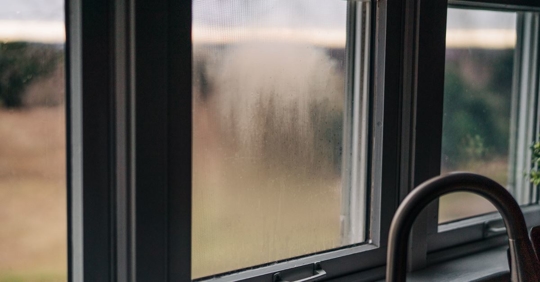
Common warning signs include little or no water coming from a particular faucet while others in the home work normally, unusual gurgling or clanking sounds when a fixture is turned on, or visible frost or condensation on exposed pipe sections. If a bathroom on an exterior wall stops delivering water during a freeze, but interior fixtures still work, that is a strong clue that the supply lines to that room may be frozen somewhere along their path.
Your first step should be to locate your main water shutoff valve and make sure you know how to operate it. In many Austin homes, this valve is in a box near the street, in the garage, or on an exterior wall where the service line enters the house. If you suspect a freeze but do not see any leaks yet, it can be wise to turn the water off temporarily, especially if you will be away or asleep during the coldest hours. Shutting off water flow will not thaw a frozen section, and it can reduce the amount of water that escapes if the pipe cracks when temperatures rise.
For accessible lines that appear frozen but have not burst, gentle warming can sometimes help. Increasing heat in the affected area, opening cabinet doors, and using safe, indirect heat sources like space heaters placed at a distance may gradually raise the pipe temperature. Avoid open flames, high output heat guns, or any method that could overheat the pipe or start a fire. Even when water begins to flow again, keep in mind that the pipe may have been stressed. It is common for cracks to reveal themselves hours or days later when normal pressure returns.
If you see active leaks, hear water running where it should not be, or discover water stains and drips from ceilings or walls, turn off the main water supply immediately and call for help. Our team offers responsive emergency plumbing service with no extra fees for nights or weekends, which can be critical during freeze events that do not respect regular business hours. When we arrive, we focus on stopping active leaks, identifying the full extent of the damage, and planning repairs that reduce the chance of the same problem returning in the next cold snap.
How Regular Maintenance Helps You Prepare for the Next Cold Snap
Between major weather events, regular maintenance is one of the most effective ways to reduce your risk of freeze damage. Many vulnerabilities only become obvious when someone takes the time to look closely in attics, behind access panels, and around the perimeter of the home. During calm weather, these inspections are far easier and less stressful than trying to diagnose problems in the middle of a storm.
Routine plumbing checkups can uncover uninsulated runs, weak fittings, or signs of previous minor freezing that you may not notice in day-to-day use. For example, a technician might find hairline cracks, corrosion at joints, or sections where insulation has slipped away from the pipe. Identifying these issues before they fail allows for targeted repairs or upgrades on a planned schedule instead of in emergency conditions.
Because we also service heating systems, we often combine plumbing inspections with a look at how your HVAC system performs in different parts of your home. If certain rooms never quite reach the thermostat setpoint or cool down rapidly at night, we can flag those as areas where plumbing may need extra protection. Verifying that your heating equipment, ductwork, and controls are working properly helps create a more stable indoor environment when outdoor temperatures drop.
Membership in programs like our Home Comfort Club adds another layer of preparation. Members receive scheduled maintenance visits, discounted repairs, and priority scheduling. In practice, that can mean your home gets checked and tuned before winter, and if a freeze does cause problems, you move up the line for service during the busiest times. These benefits are designed to provide real value, particularly during extreme weather, rather than just as a plan on paper.
Having an ongoing service relationship also means we become familiar with your home’s layout and history. When a freeze threatens, we know which areas were previously flagged as vulnerable and can respond more efficiently. Many homeowners tell us that simply knowing who to call and what their options are takes a significant amount of stress out of watching the next cold front approach.
When It Makes Sense To Call Daniel’s Plumbing and Air Conditioning
Knowing what you can handle yourself and when to bring in a professional can be just as important as the preventive steps you take. Some situations are well suited to DIY efforts, such as installing faucet covers, opening cabinets, and letting certain faucets drip. Others involve safety concerns, complex layouts, or hidden damage that are better addressed by a trained technician with the right tools and experience.
If your home has a history of frozen pipes, visible damage from past freezes, or known exposed lines in attics, garages, or exterior walls, a pre-freeze inspection can be a smart move. During that visit, we walk the property with you, point out high-risk locations, and discuss options that fit your home and budget. We take time to explain what we see and why it matters so you can make informed decisions, not just react to a list of recommendations.
Situations that usually call for immediate professional help include active leaks, signs of water inside walls or ceilings, repeated freezing in the same area, or uncertainty about how to shut off the main water supply. Trying to troubleshoot these on your own, especially during a hard freeze, can make damage worse or leave hidden problems behind. Our technicians are used to working in these conditions and can focus quickly on stopping further water loss and planning durable repairs.
As a locally based team with an A+ rating from the Better Business Bureau and strong community connections, we are committed to raising the standard for home comfort services in Austin. That means clear communication, transparent pricing, and consistent follow-through, whether we are insulating a vulnerable attic line, tuning a heater, or responding to a burst pipe at night. When you are ready to take the next step toward protecting your home from future freezes, we are ready to help you plan and carry out the right mix of DIY measures and professional upgrades.
Protect Your Austin Home Before the Next Freeze
Pipe freezes in Austin may be less frequent than summer heat waves, and they can be just as disruptive when they happen. By understanding how and where pipes freeze, taking practical steps before cold weather arrives, and considering targeted upgrades in known trouble spots, you can significantly lower your risk of major water damage. You do not have to tackle this alone or guess which parts of your home are most vulnerable.